
When Threats Evolve,
Is Everything.
Built for warfighter realities, proven in real conditions.


Episode One
Wesley Robinson
Episode Two
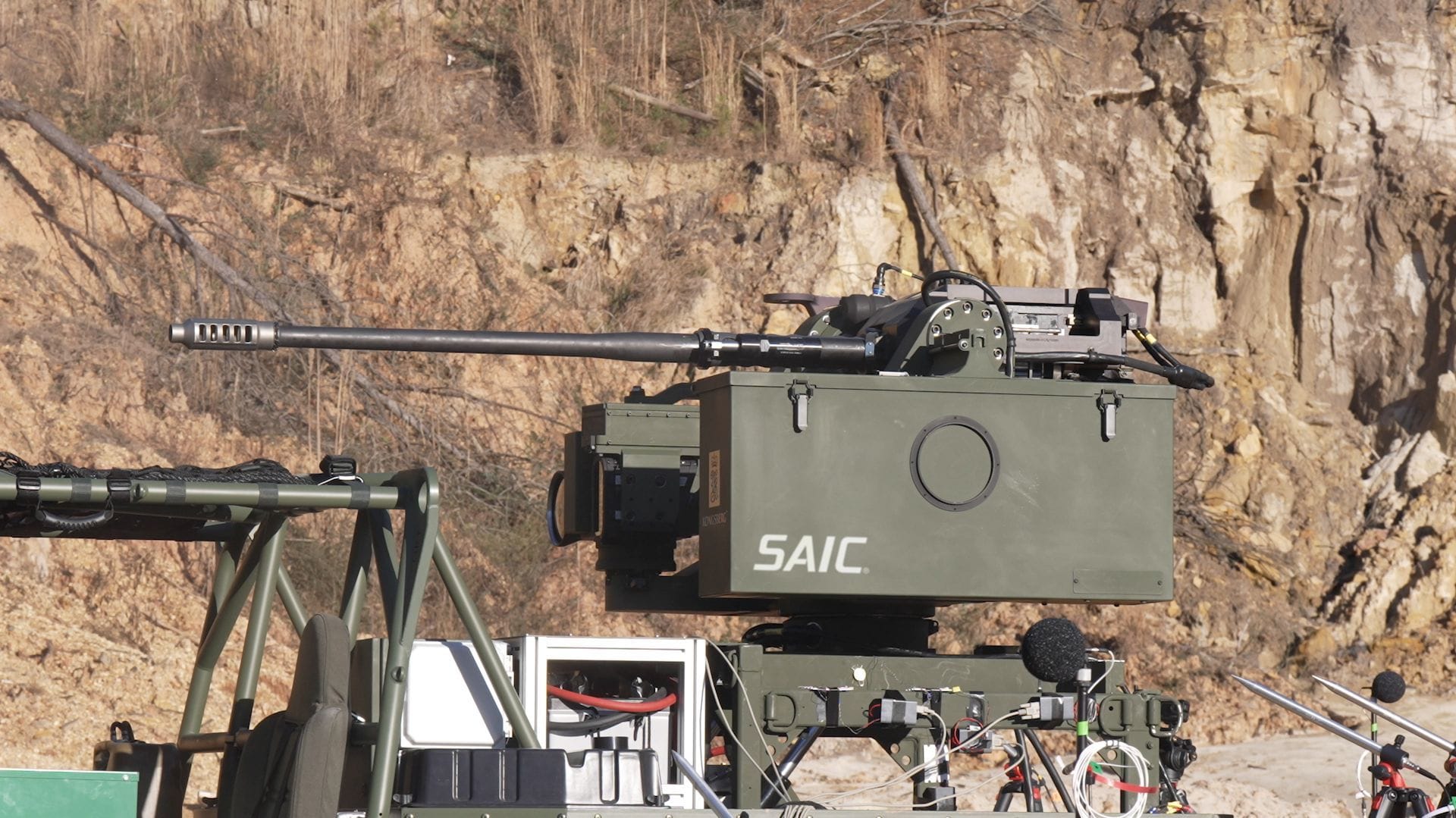
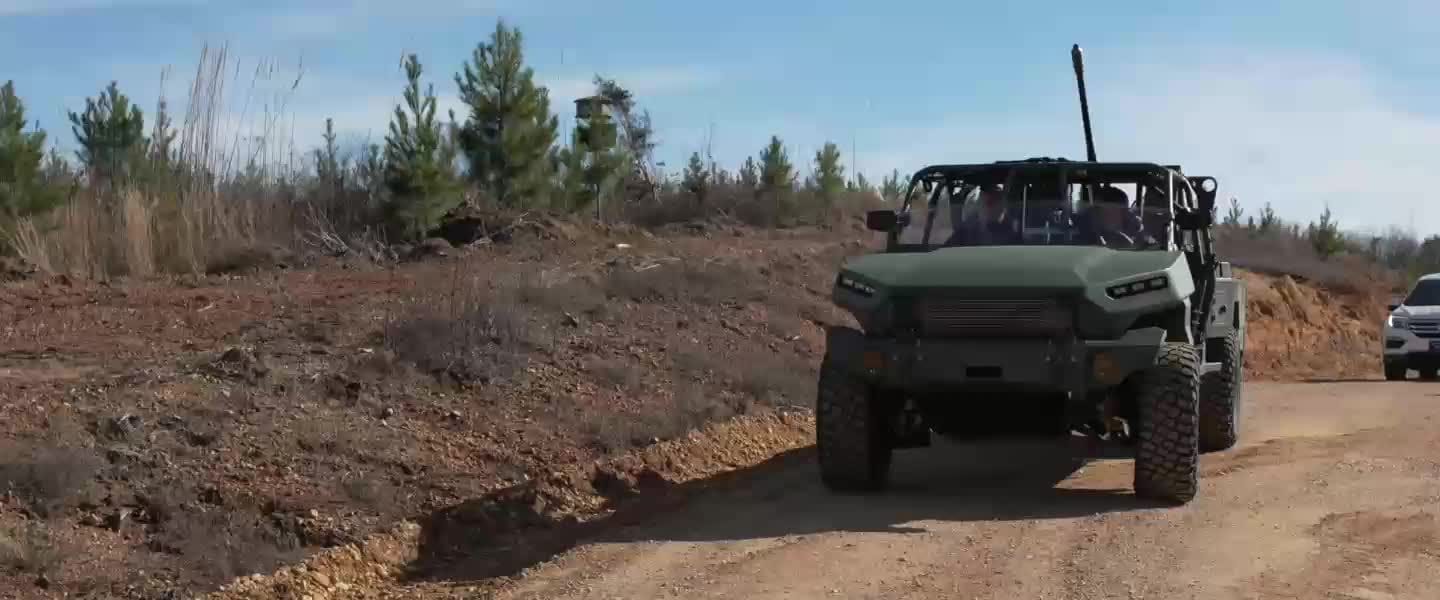
Episode 1: Live-fire Testing
Go behind-the-scenes of RAD's first live-fire test in North Alabama and hear stories from the engineers
who built it.
Share Link
Share to LinkedIn
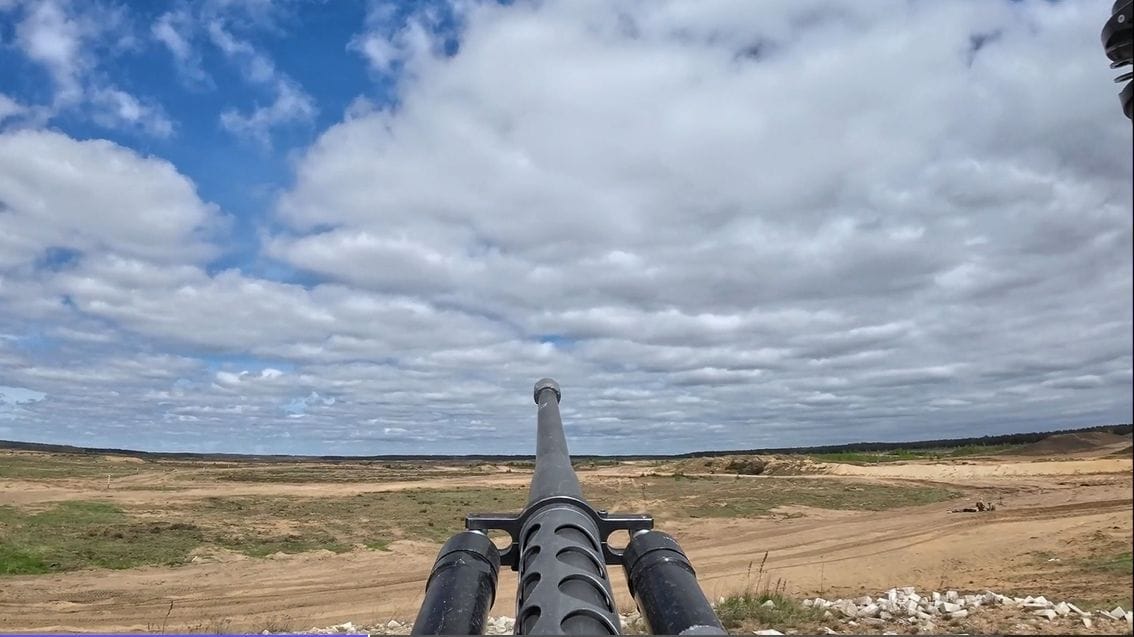
Episode 2: Project Flytrap
The team heads to Lithuania for Project Flytrap, testing RAD in the field with real warfighters.
Share Link
Share to LinkedIn
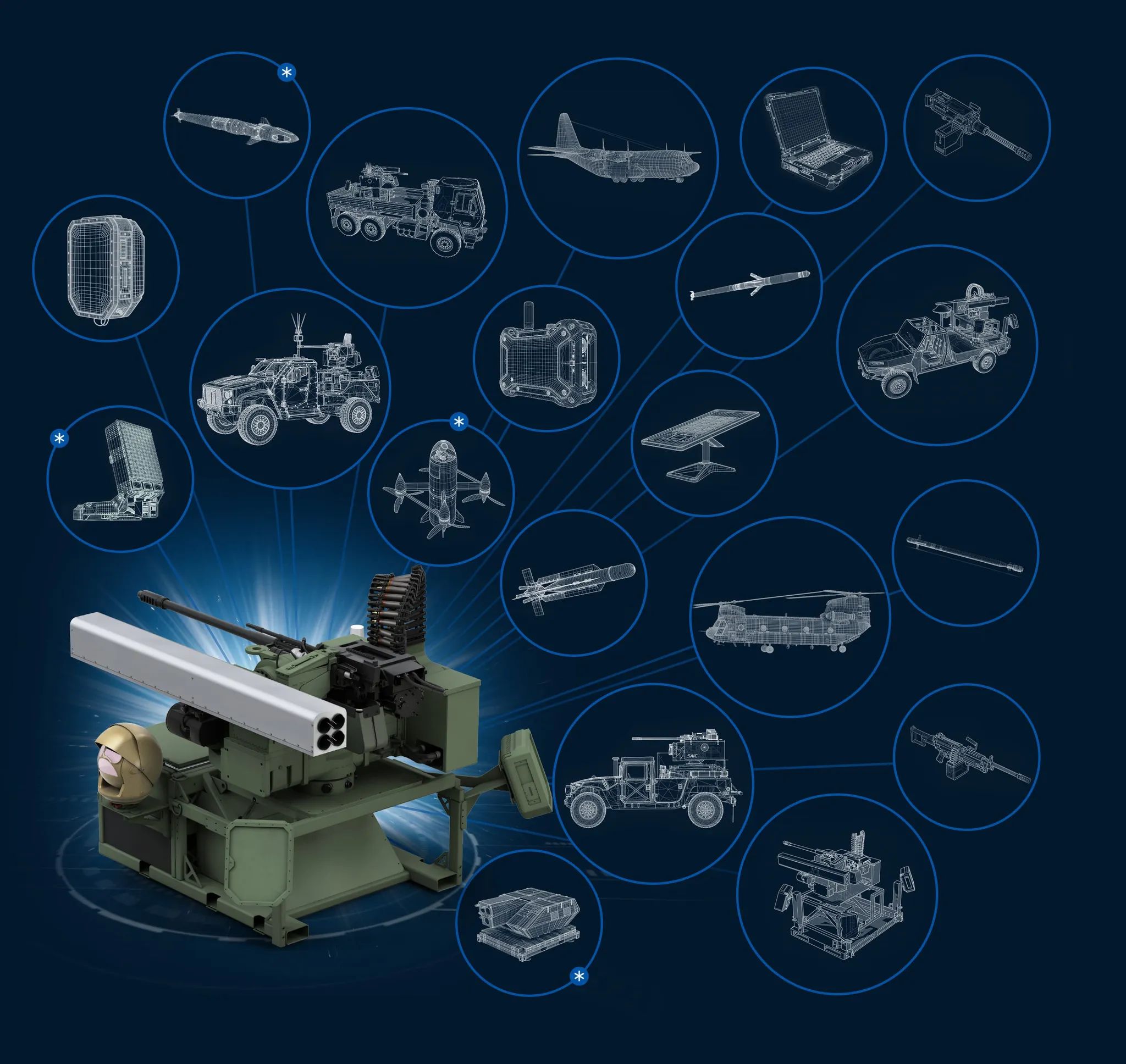














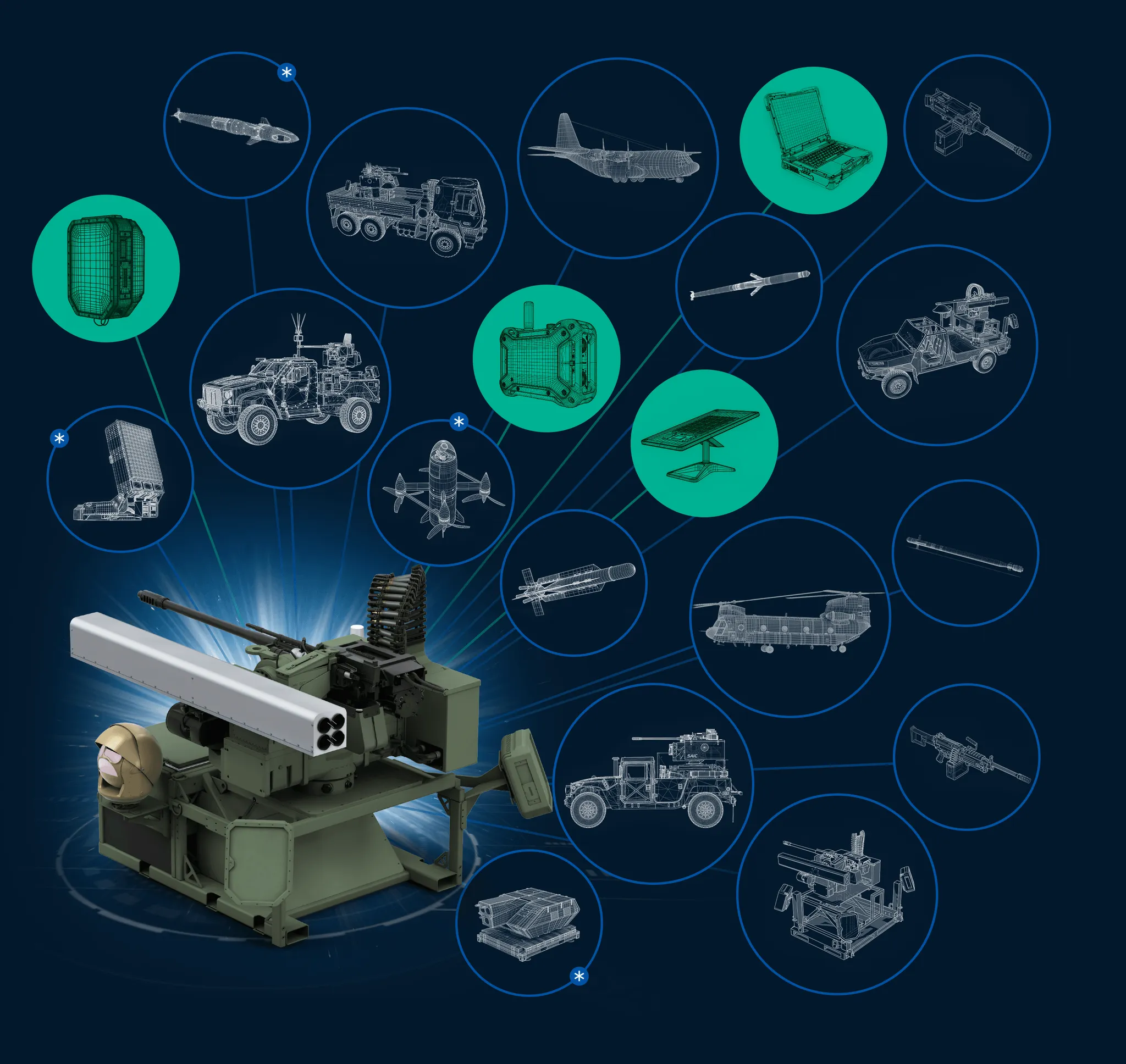
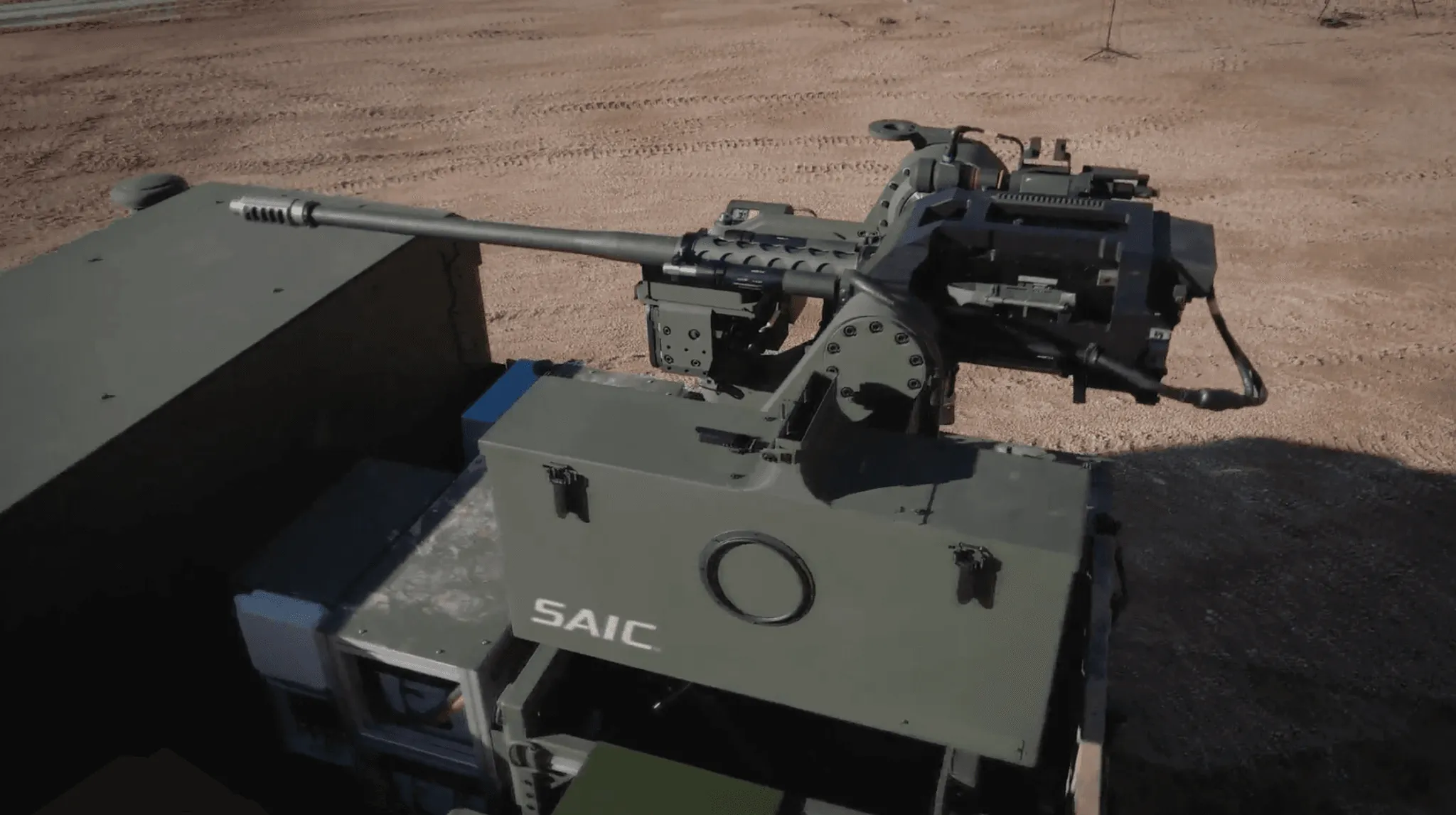
Introducing SAIC’s Reconfigurable
Air Defense (RAD)
Radically Adaptable to Weapons
Designed through Soldier workshops and technical exchanges, RAD integrates into the force as it exists today, placing no added burden on units.
+
–
Radically Flexible to Platforms
RAD reconfigures quickly in the field and adapts across formations using tactical and support vehicles already in operation.
+
–
Radically Interoperable
RAD is sensor, network, C2 and EW agnostic, connecting maneuver forces to a shared operational picture across the battlespace.
+
–
Future integration

The Benefits of RAD
Built for warfighter realities and proven in real conditions, SAIC’s RAD delivers a radical advantage that warfighters need to deal with the rapid proliferation of unmanned and low-cost aerial threats.
Soldier-DrivenDesigned through Soldier workshops and technical exchanges, RAD integrates into the force as it exists today, placing no added burden on units.
Tested and ProvenValidated prototype live-fire tested in North Alabama and at Project Flytrap 5.0, ready for field deployment.
Scale your defenses without scaling your forces
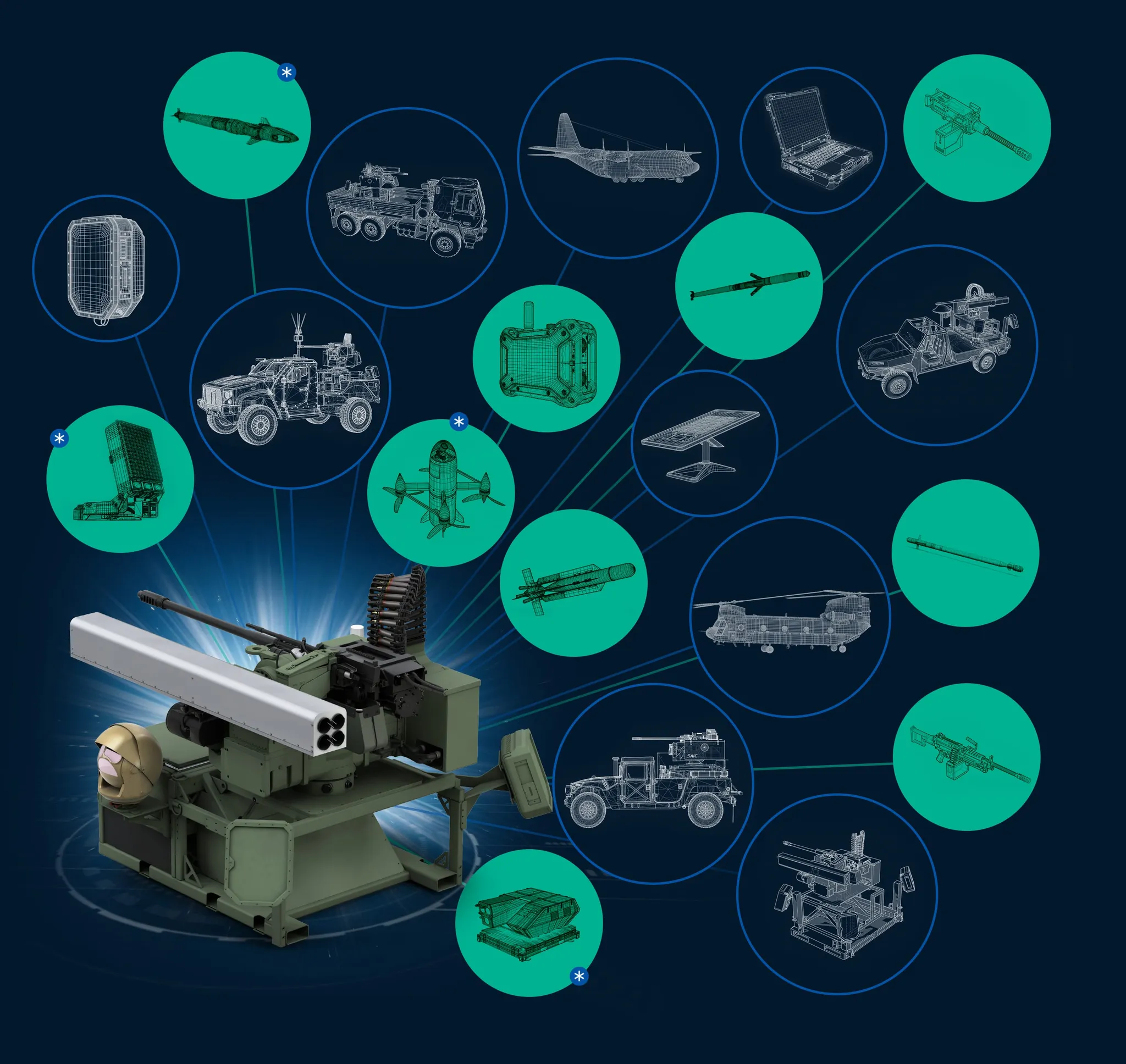
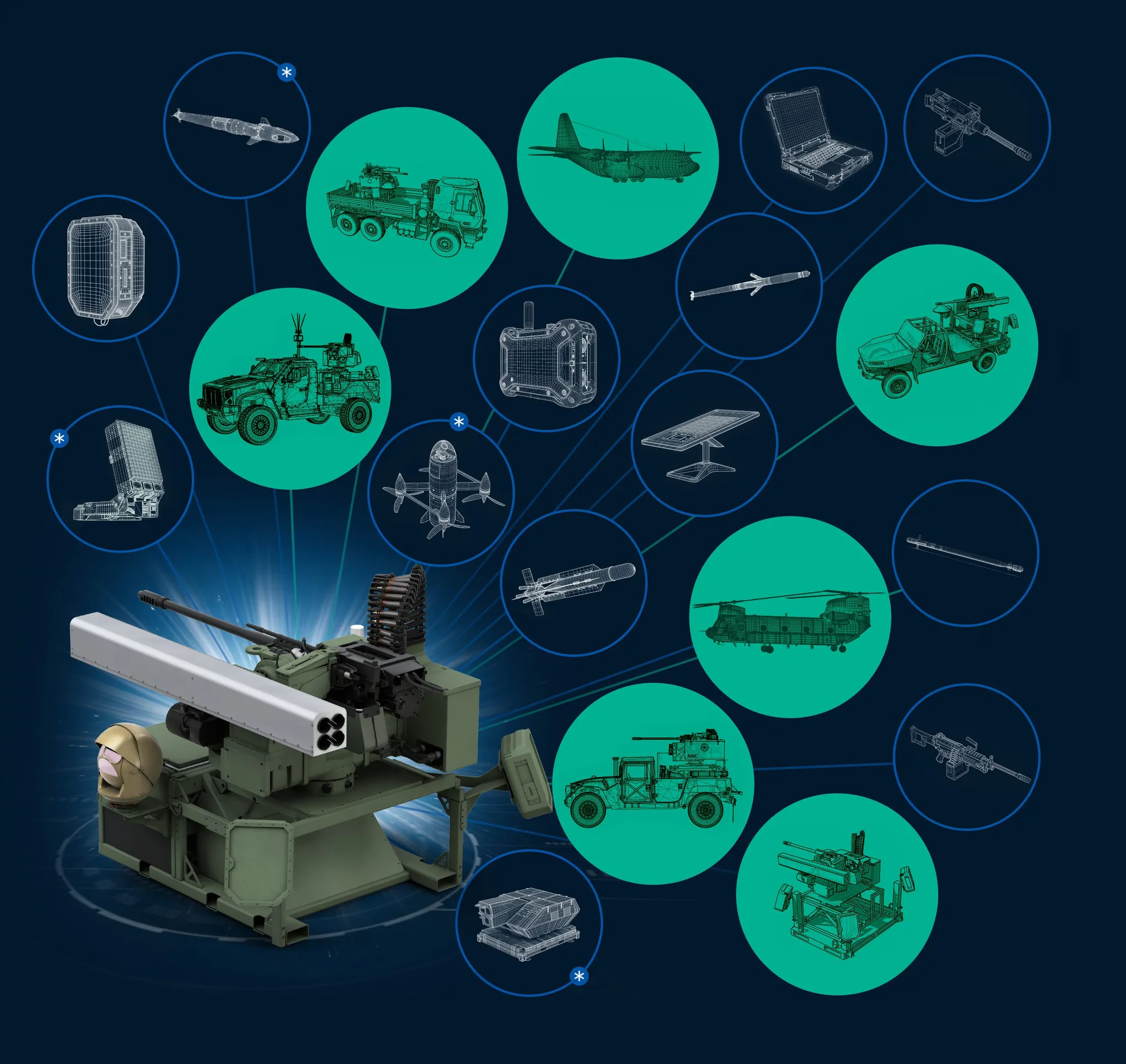
Traditional weapon system development starts with a product and asks warfighters to adapt their mission around it. We think that's backwards, so RAD is weapon and vehicle agnostic.
- It can integrate with any existing vehicle in the Army fleet without modification
- Can fit any MOSA-specific weapons systems, with easily swappable sensors and effectors
- Future-proofed for systems and platforms of today, and systems and platforms to come.
SEE LESS –
SEE MORE +
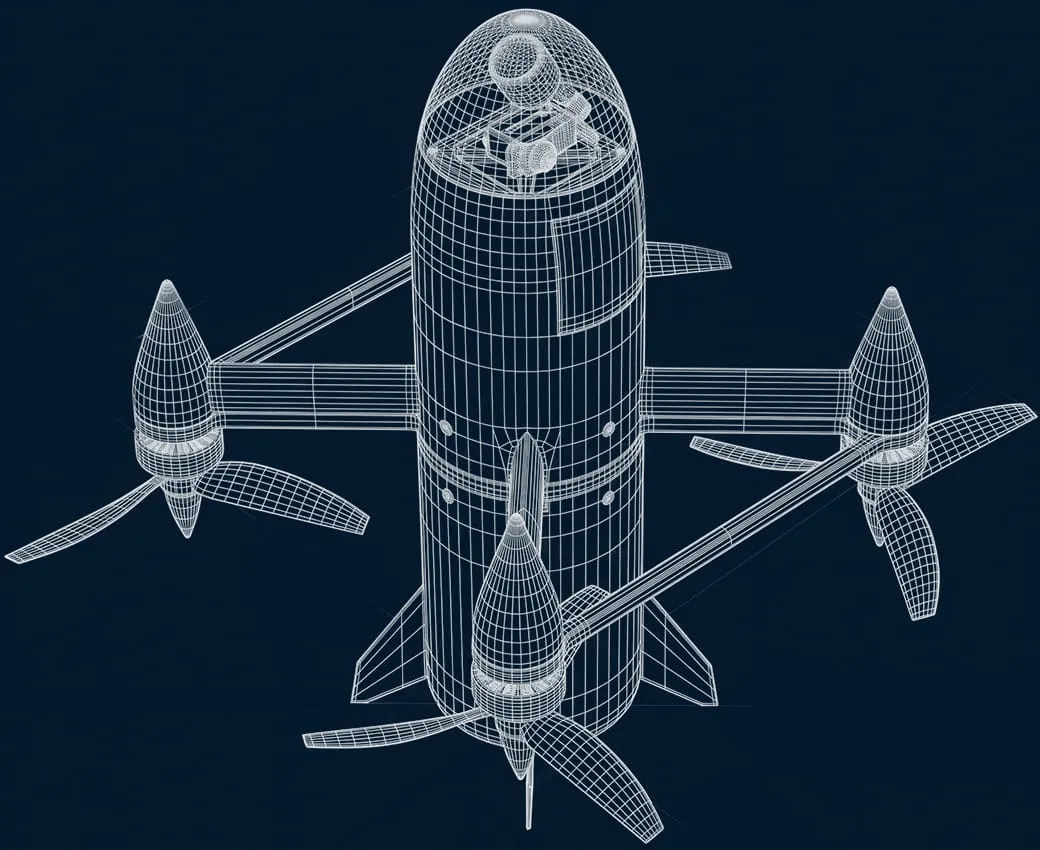
WEAPONDroneInterceptors
Future

WEAPONStinger

WEAPONAPKWS
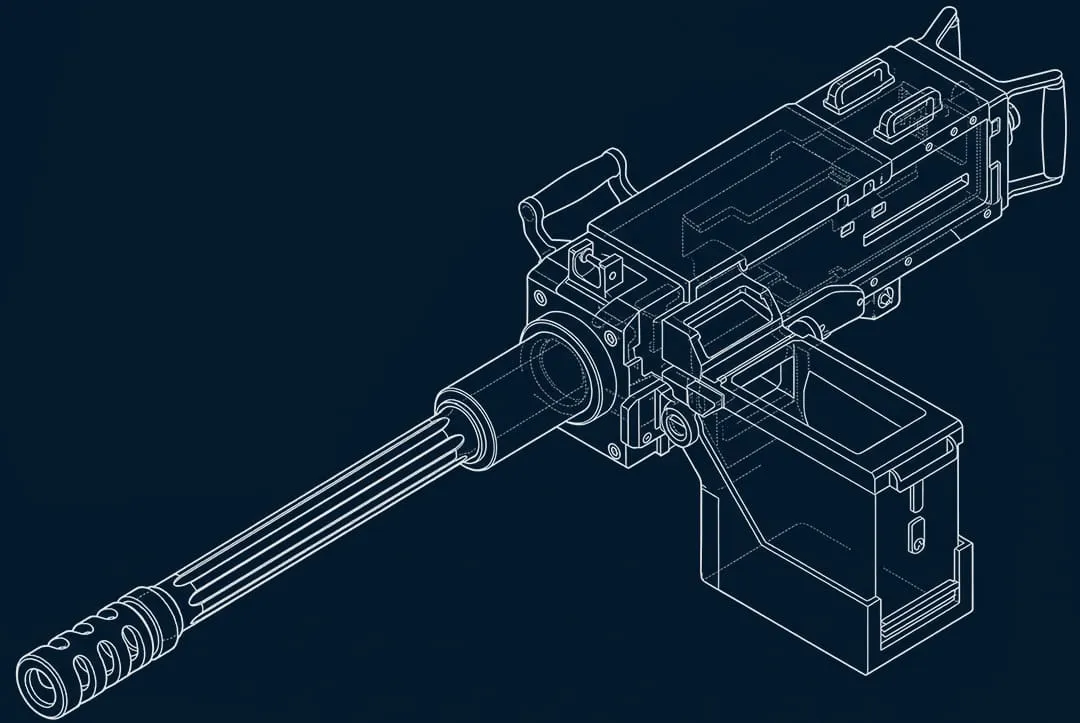
WEAPONXM914 30mm
Chain Gun
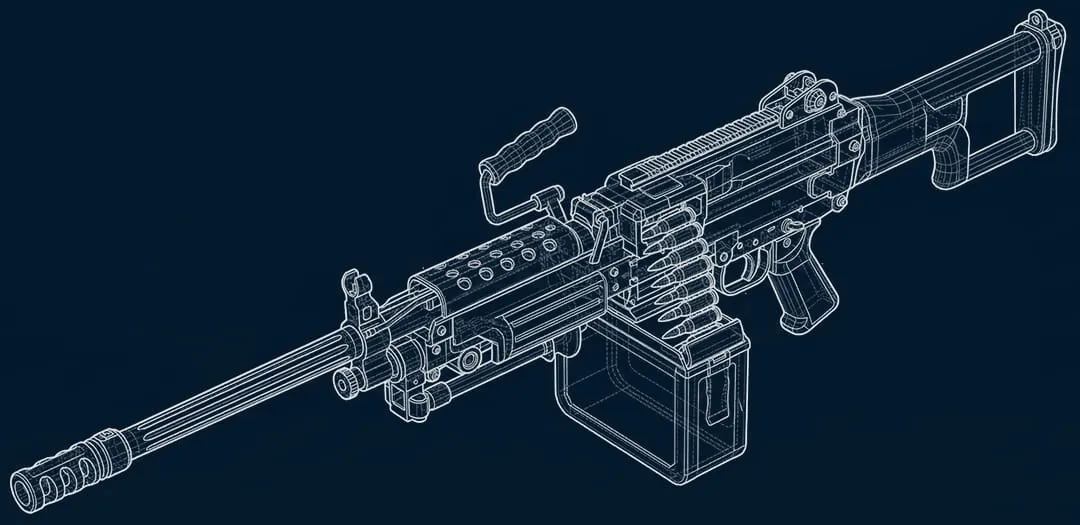
WEAPON.50 Cal/
7.62mm/M134
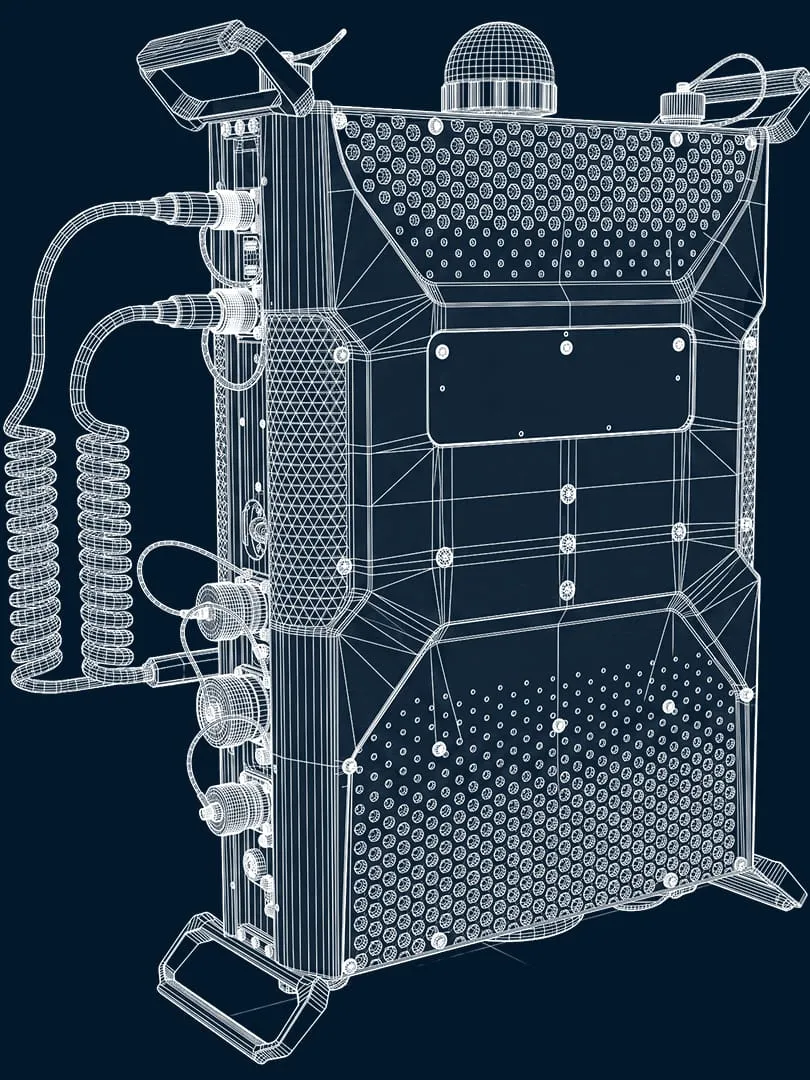
WEAPONEnforceAir 2
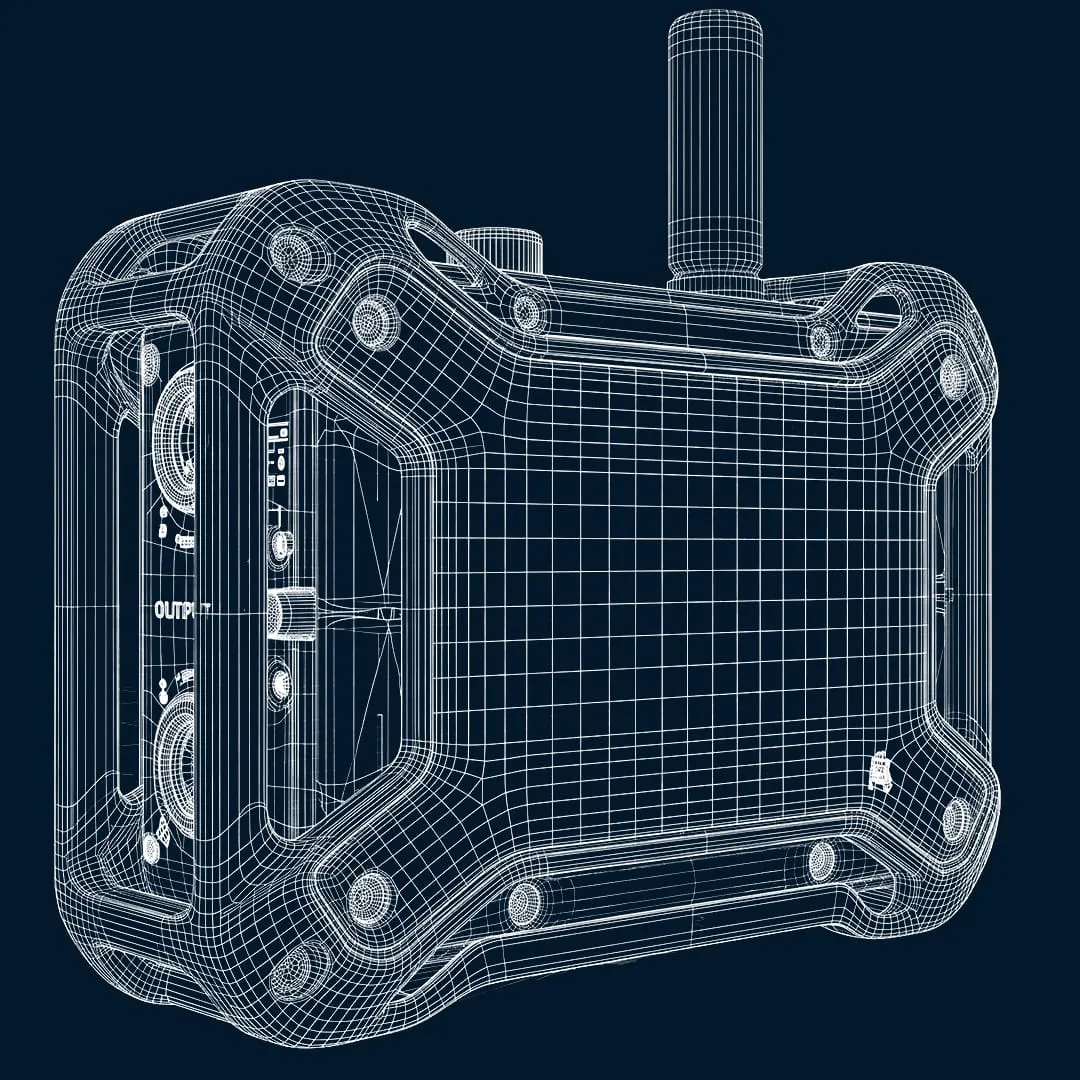
WEAPONPulsar
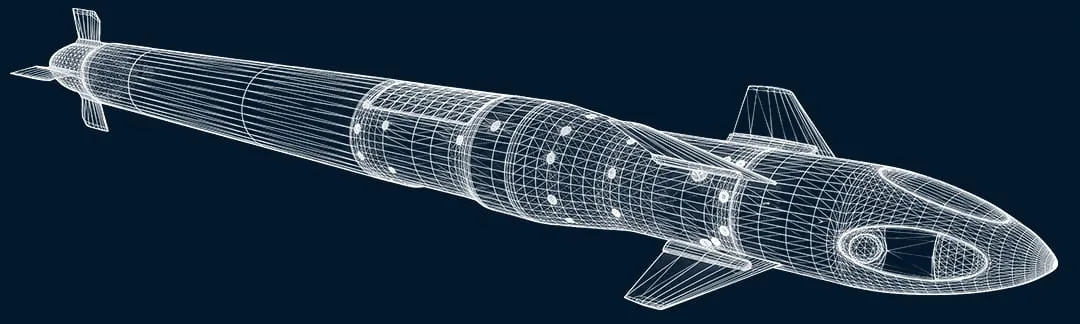
WEAPONNGSRI
Future
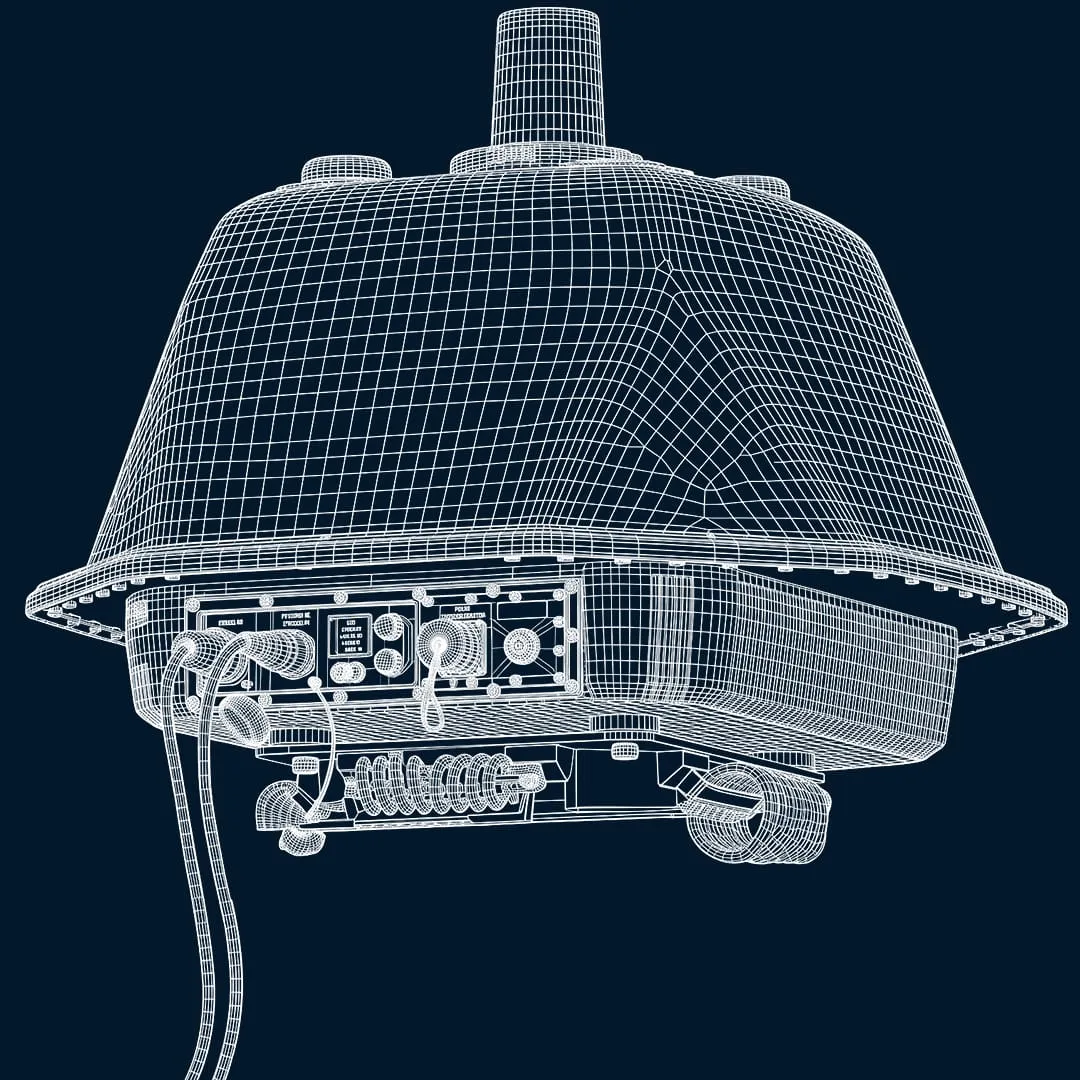
WEAPONDRONESENTRY-X
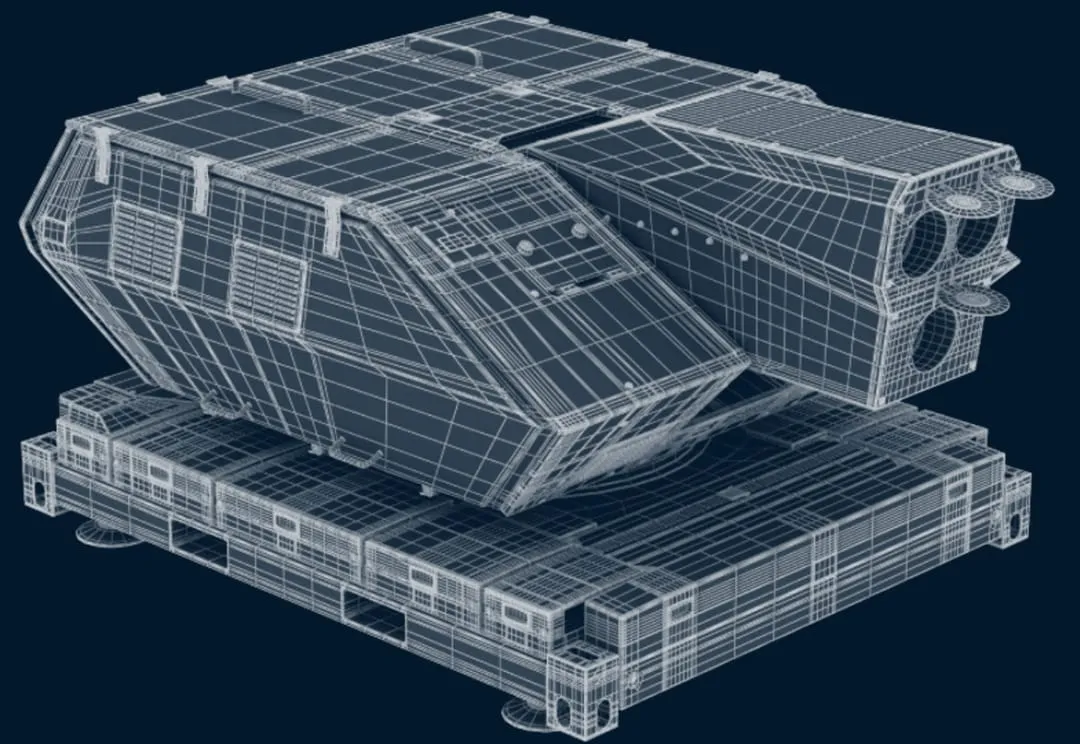
WEAPONLaser
Future
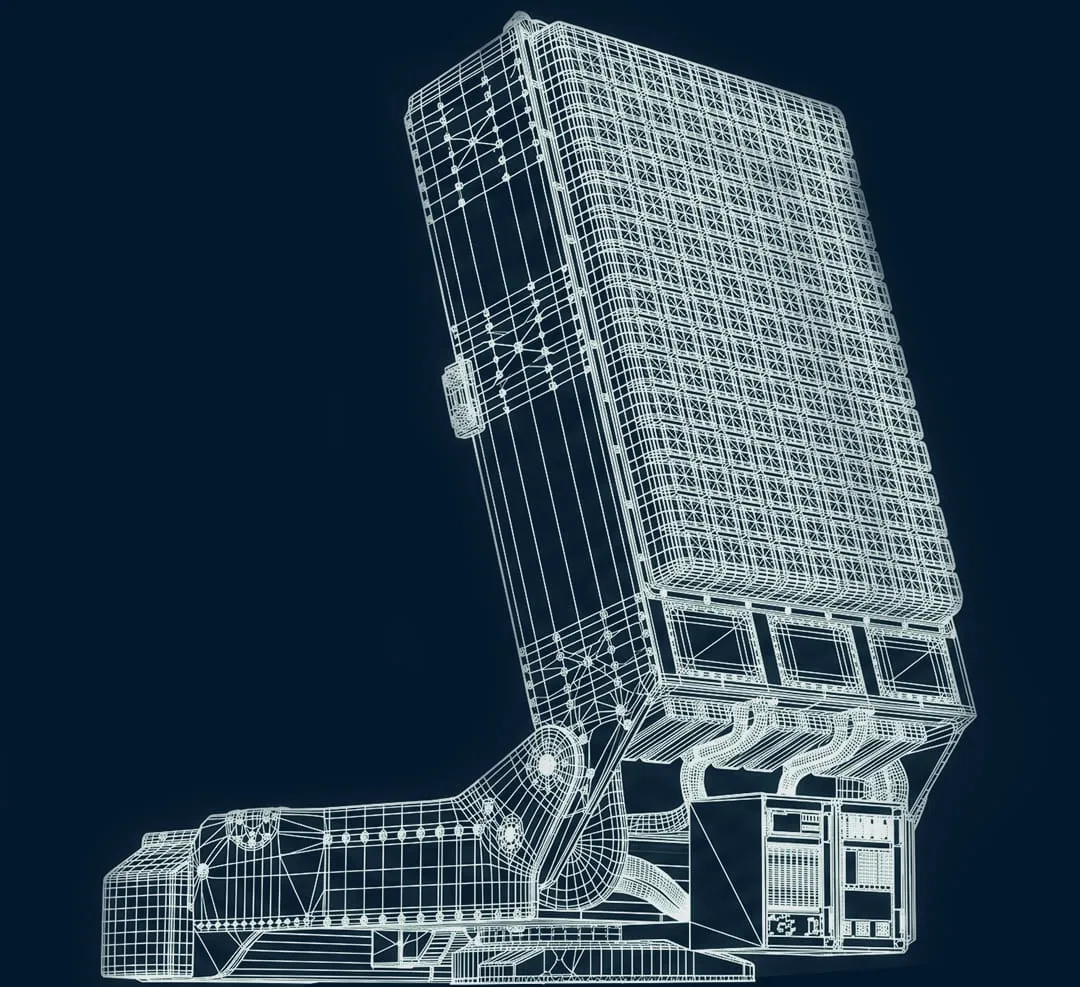
WEAPONHigh-Power Microwave
Future
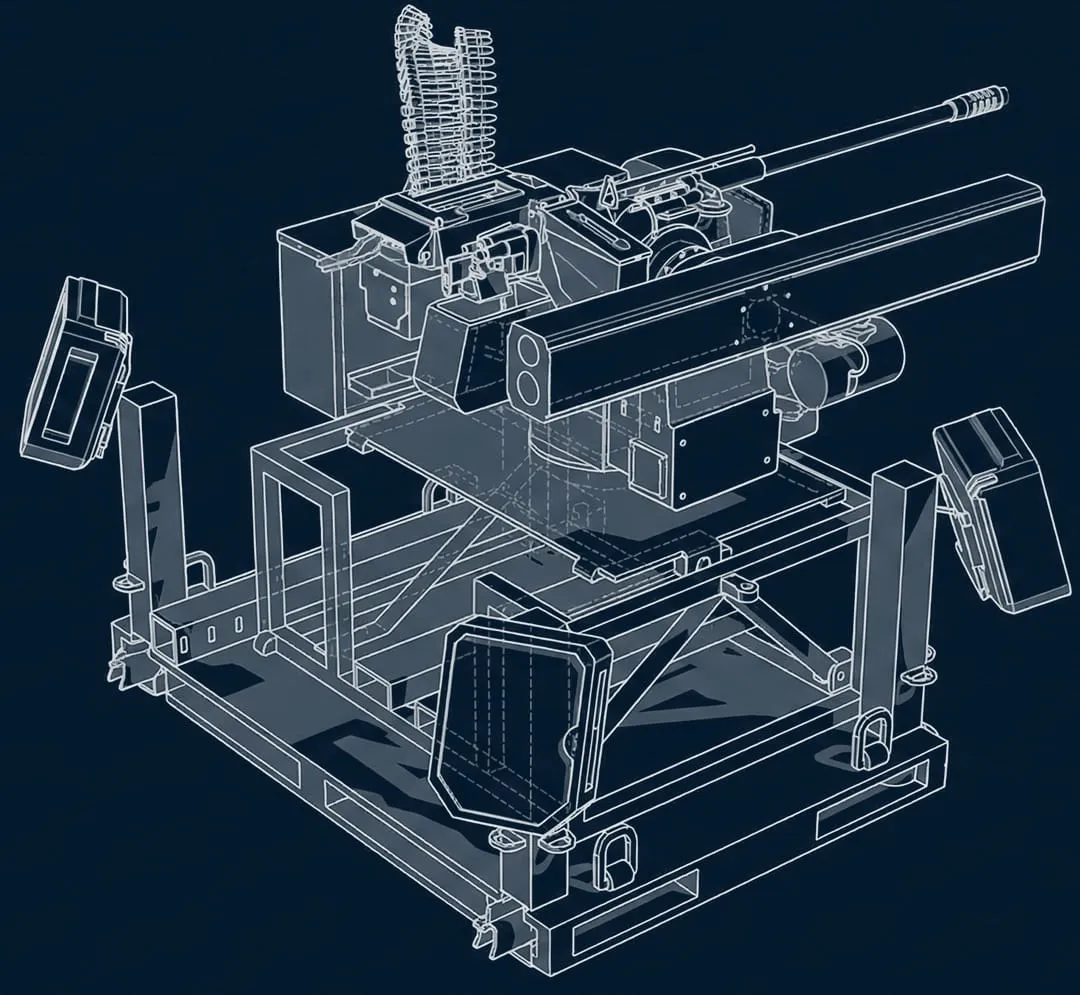
PLATFORMGround/
Building/Structure
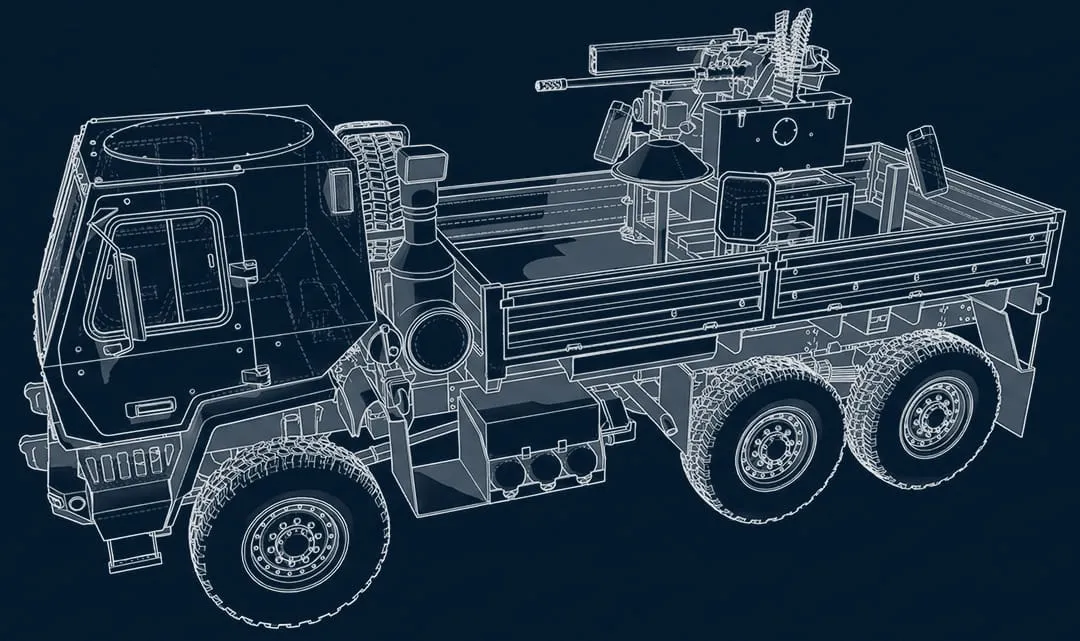
PLATFORMFMTV
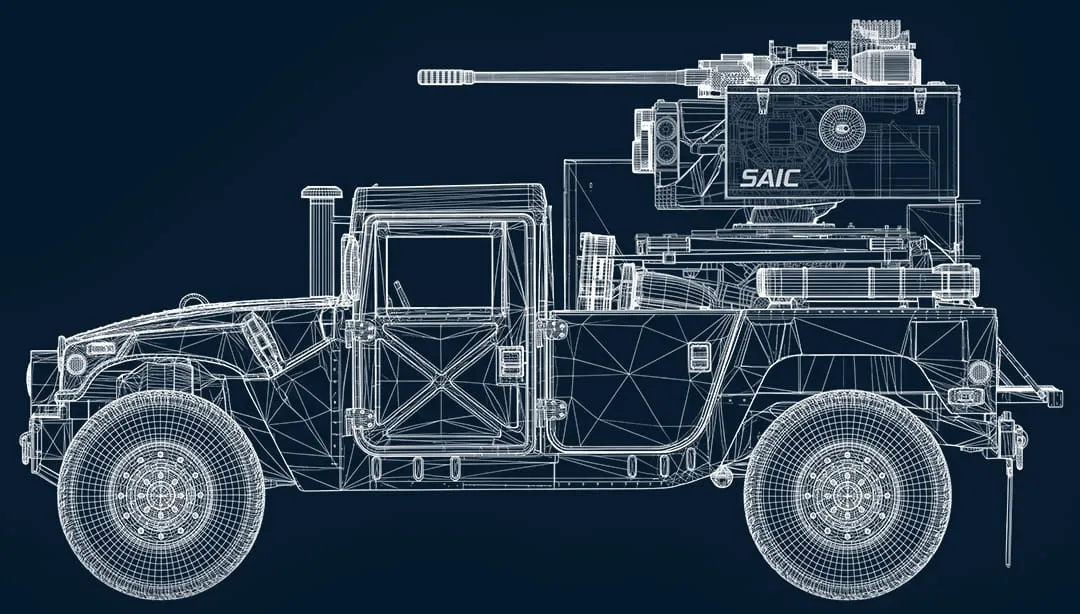
PLATFORMHMMWV
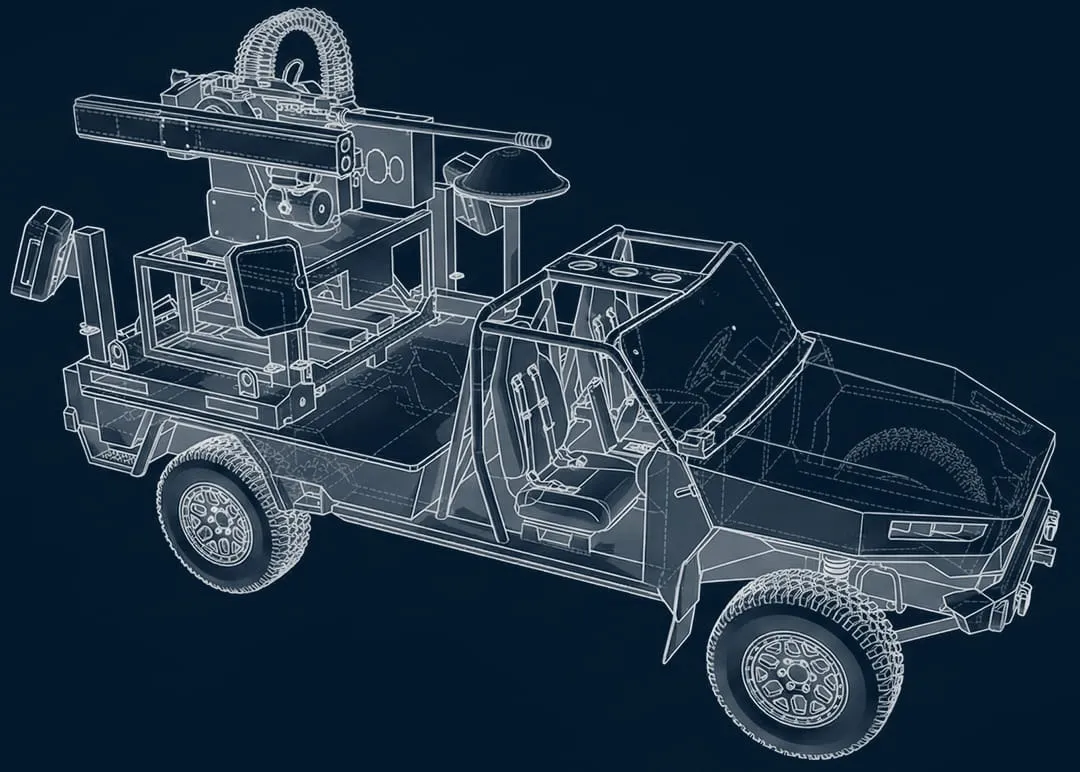
PLATFORMISV
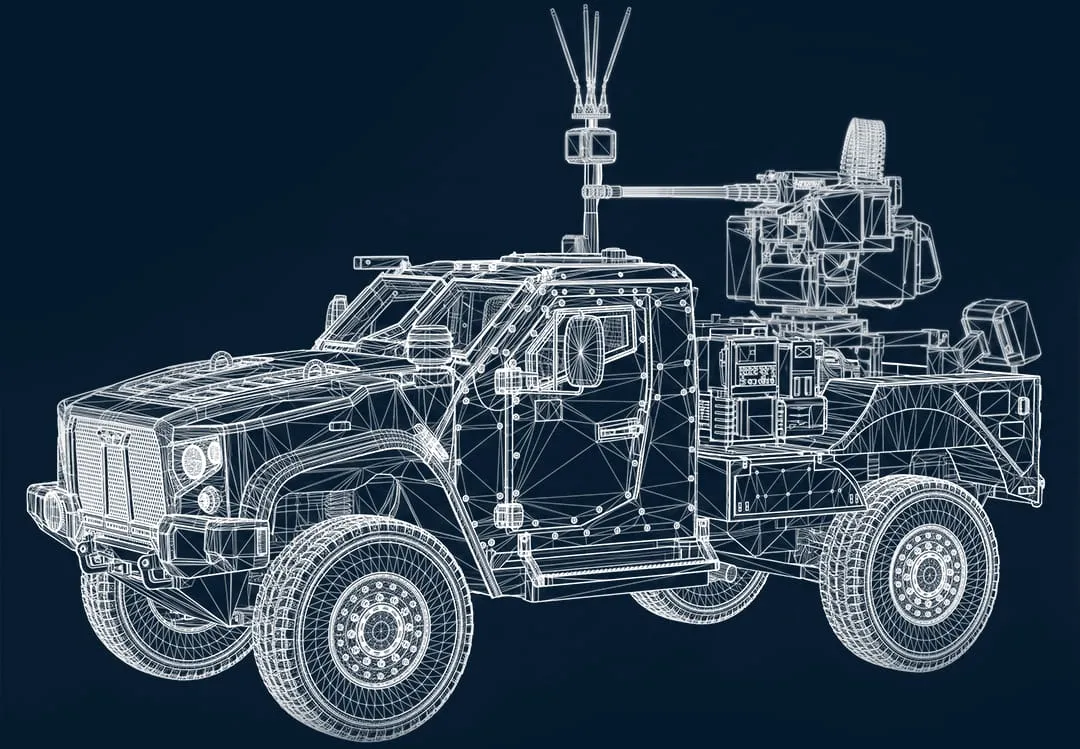
PLATFORMJLTV
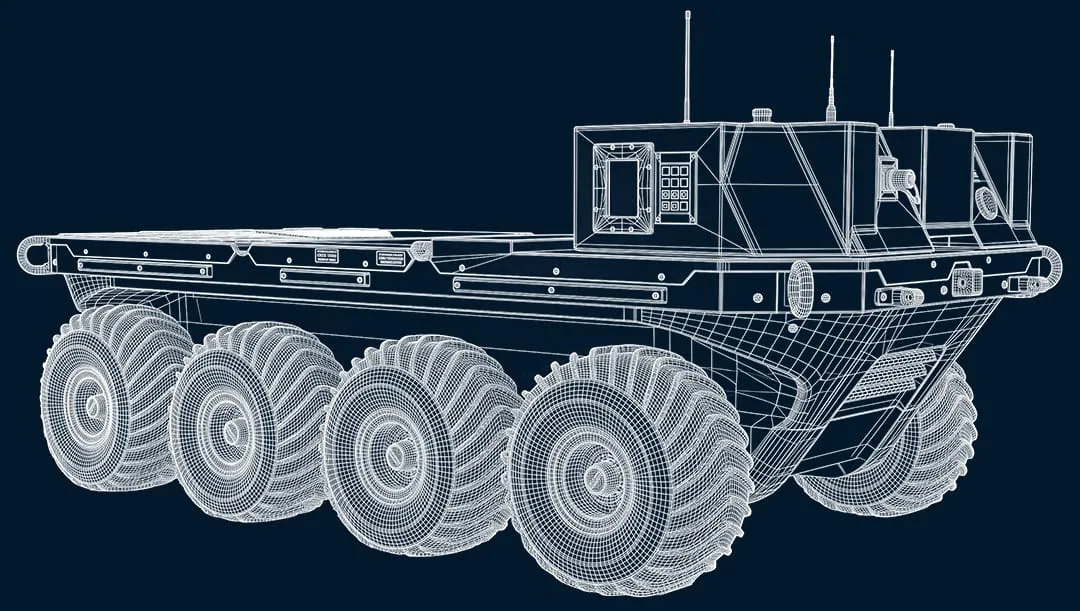
PLATFORMUGV
RANGE
Low
Medium
Medium-Low
Medium-High
High
Mobility
Low
Medium
High
High
Collateral Damage
Low
Medium-Low
Medium
High
Survivability
Low
Medium-Low
Medium
Medium - High
High
BEST AGAINST
OPERATONAL NOTES
SEE LESS –
SEE MORE +
STATS
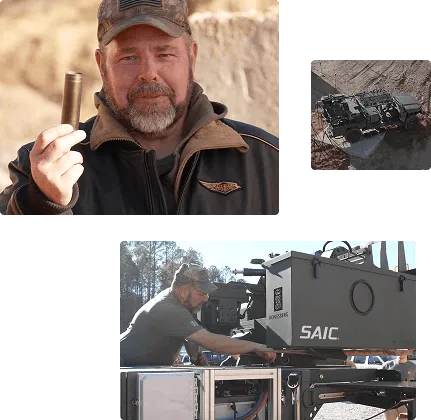
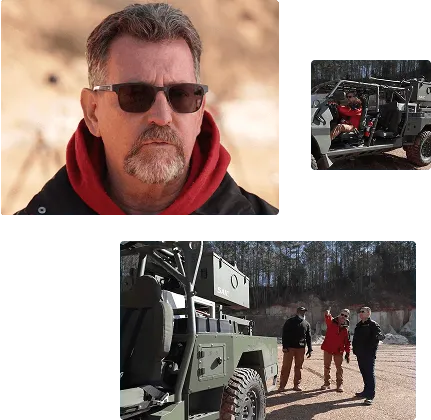
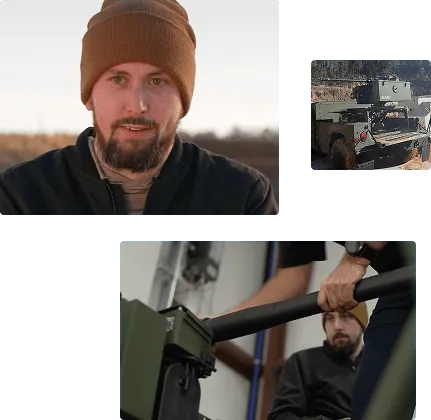
Meet the key team members behind RAD:


Bret Kortie
Wesley Robinson
Scott McClellan



Ready to learn more about RAD?
Our team constantly looking for feedback as we continuously improve RAD. Fill out the form below to set up a meeting.

© 2026 SAIC. All rights reserved.
Privacy Statement